Florine Huininga
25 April 2024
It's time to look back on our journey through Canada. Four amazing weeks have passed. The landscape continuously surprised us; every day presented a new, living painting, with each mountain more beautiful than the last. While we can share our highlights, we especially want to convey what we learned during our trip and how we might do things differently next time. Given this is a blog about preparing for a trip to Canada, we believe this insight will be most valuable to you, the reader.
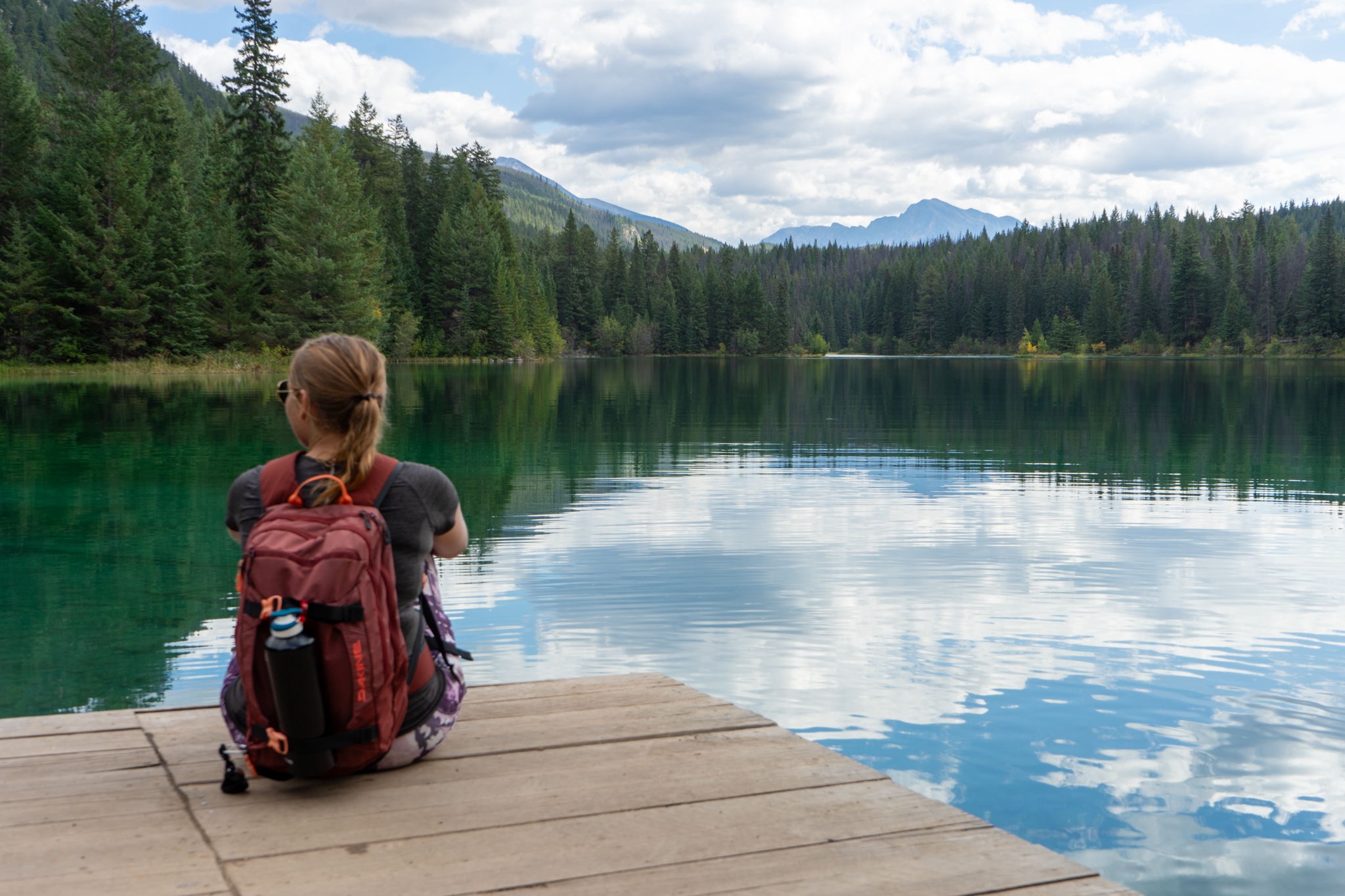
We specifically chose to make one large loop from Vancouver to the Rocky Mountains to one of the northernmost points in Canada, Prince Rupert, then through the Inside Passage by ferry, followed by a week on Vancouver Island. Looking back on this route, we loved seeing such a large part of Canada. However, we would not choose this route again for two reasons. Firstly, our journey reminded us of our love for mountain hiking; we were in our element in the Rocky Mountains and there's a place there we'd love to return to, ideally for the entire holiday. Secondly, we had expected to do more hiking on our journey to Prince Rupert, which turned out to be disappointing. This part of Canada is less touristy, which made it less appealing for us Dutch mountain hikers. We did not feel comfortable hiking up a mountain in quiet, secluded areas without seeing any other cars in the parking lot, nor did we feel comfortable leaving our camper with all our belongings in a remote parking lot in a less picturesque neighborhood while we ventured into the mountains. That said, we found the nature in Northern Canada beautiful, even from the car. It rains a lot here, but the waterfalls we love so much streamed down the mountains everywhere you looked. Despite enjoying these aspects, we felt the disadvantages of the route outweighed its advantages, resulting in many driven kilometers with little relaxation or hiking.
The ferry through the Inside Passage was quite special. The roughly 13-hour journey was very relaxing, and we spent the entire time on deck with our camera, spotting whales or enjoying the beautiful landscape. We were able to reserve a nice cabin on the ferry, where we could retreat and take a warm shower whenever we liked. We even managed to get some sleep in the final part of the journey before disembarking the ferry around midnight. The Inside Passage was definitely worth it, but the campgrounds before and after the ferry were the least impressive we visited, and with the long detour, we wouldn't do it again. However, we're glad we did it on our first trip through Canada.
We were pleasantly surprised by the quality of the roads in Canada. Despite encountering many roadworks, they never hindered our route or arrival time. Navigating in Canada is also quite easy; sometimes, your navigation tells you that your next turn is in 200 km, making it a comfortable country for holidaymakers to travel through.
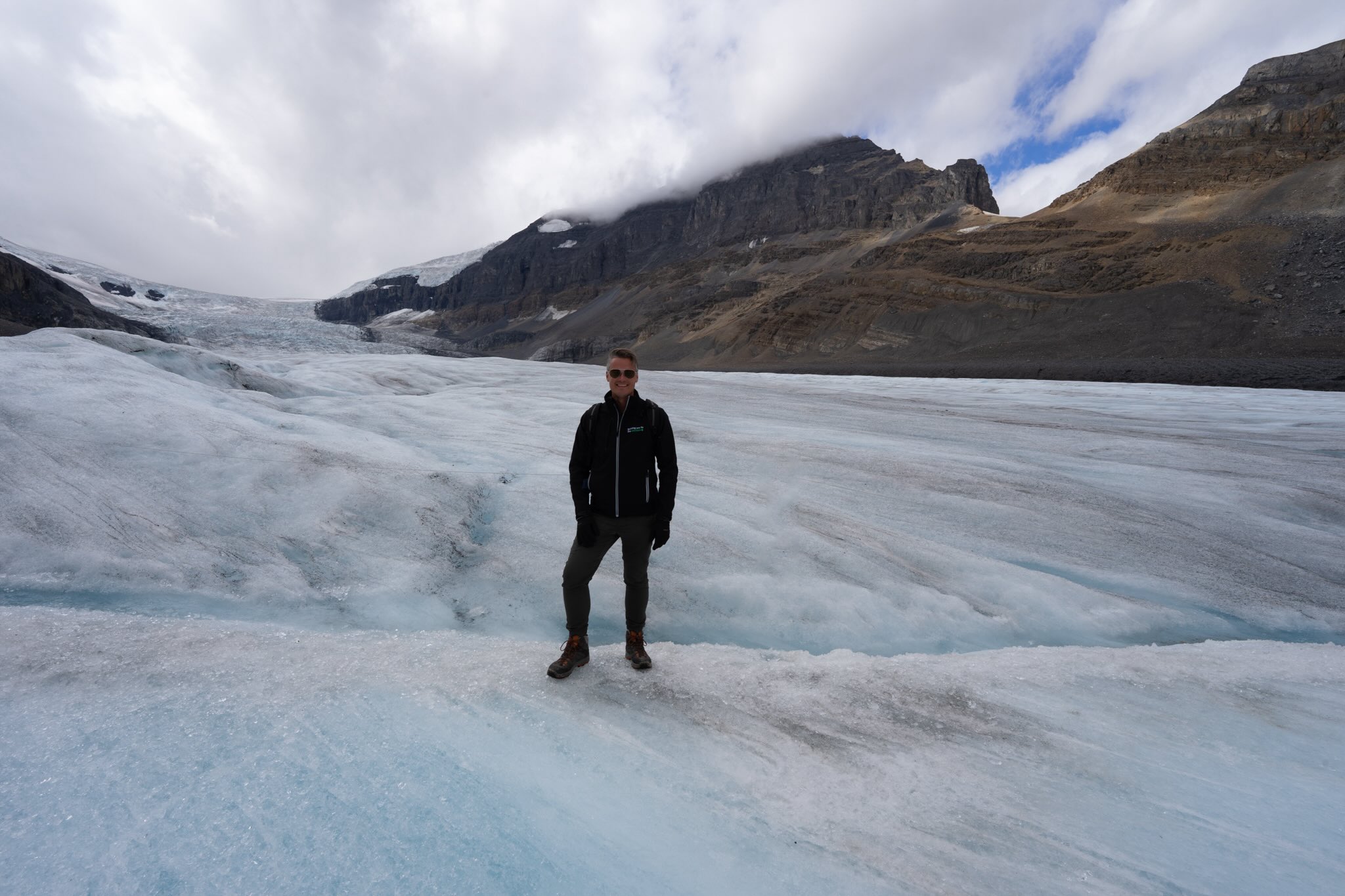
The Icefield Parkway is one of the most beautiful roads through the Rocky Mountains. Throughout the entire route, you have views of various glaciers passing by. It's also known for frequent wildlife sightings. Although we didn't see any wildlife along this route, we can attest that it's a stunning journey that you'll enjoy every kilometer of. We drove from Banff to Jasper, which worked well with our travel plans. However, we'd recommend driving from Jasper to Banff, as the glaciers are then continuously in your view, whereas we often had to look back or in the side mirror to catch a glimpse of the glaciers. Even in the direction we traveled, we saw dozens of glaciers.
We didn't visit Whistler because we chose a route further north. Now, that would be a location we'd like to return to, as it seems like it would add value to the trip.
Additionally, we immensely enjoyed hiking in Lake Louise in Banff, one of the most famous locations in the Canadian Rocky Mountains. We were under the impression we could simply drive there with our camper and park. Upon arrival, after researching online how to get there, we found out there are only a few camper parking spots, which open at 7 am. This means only the first 15 campers can park and hike there. While there's more space for cars, it's still limited. This meant we set our alarm for 4 am on the day of our visit to Lake Louise, hoping one of the 15 spots would be available for us. If you don't want to do this, it's good to know you need to reserve a shuttle bus in advance if you're coming from your campground. In short, if you want to explore this part of the area and see the beautiful lake, you need to plan well in advance and reserve your parking spot or shuttle bus.
Campers cannot travel on unpaved paths. This was one of the less enjoyable aspects of our trip to Northern Canada, as many sites are only accessible via a long, unpaved road. The rest of the route was easily navigable by camper without encountering unpaved terrain, except for Wells Gray, where you should note that the campground at the back of the park is only accessible via an unpaved path. This was the only time we did this. So, keep this in mind in your route planning if you want to visit certain sites; otherwise, a 4x4 vehicle is always a better idea.
Another learning moment from our trip was our intention to rent bicycles. We liked the idea of cycling to hikes instead of driving the camper. In the end, the bikes provided by the camper company were of such poor quality (which they later reimbursed us for, so no complaints) that we didn't use them much. During our trip, we saw few opportunities to cycle to hikes, often facing an hour's ride each way, with hills throughout. This isn't an issue if cycling through beautiful nature is your main goal, but we primarily wanted to hike, so using bikes just for transportation to the starting point wasn't ideal. We think even if the bikes had been of good quality, we would've rarely used them, which would've been a waste of the rental fee. During our journey, we were often asked if we were from Germany or the Netherlands, as those were the only travelers who thought to use bikes in a country like Canada. They were right.
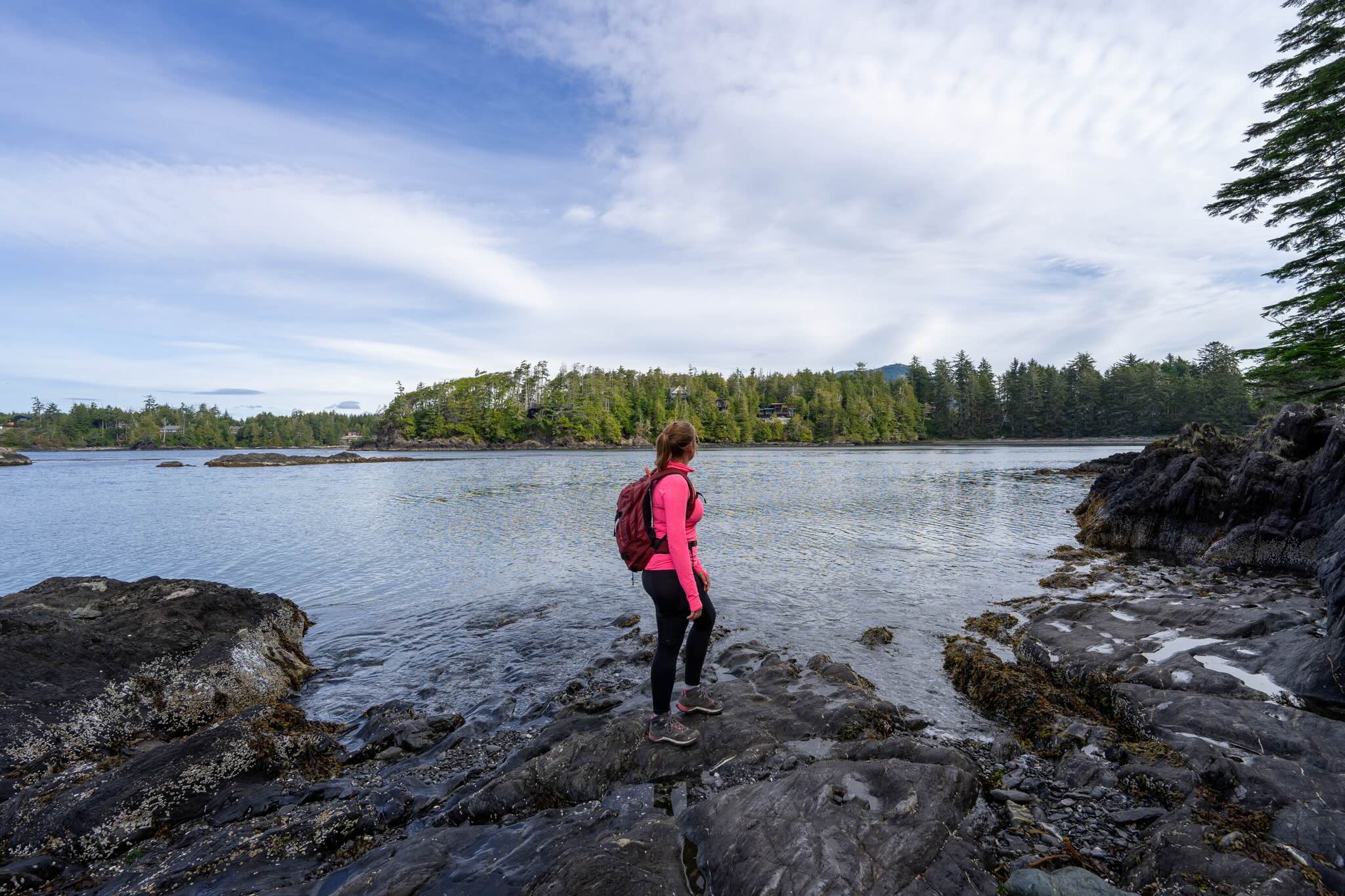
The last week of our trip was spent entirely on Vancouver Island. We were told beforehand that it's one of the most beautiful parts of Canada, which is why we wanted to spend a whole week there. We must say, the northern part of Vancouver Island was the most beautiful to us, not touristy, with beautiful hikes and a completely different nature than we'd seen before: a temperate rainforest. What we didn't know was that Mount Washington has a small ski area on a high mountain in the middle of Vancouver Island. Every hike we took was beautiful, and if we'd known beforehand, we would've stayed longer in this region. We spent three days along the Pacific Ocean coast at Tofino, but we found the scenery and landscape there more beautiful than the hikes we could do. However, this is entirely a matter of taste. If you enjoy surfing and the beach, it's a beautiful location, albeit a bit cold and especially rainy.
Beyond these tips and tricks, we had a fantastic trip. If we were to go back, we'd likely want to spend more time in the Rocky Mountains, but this is based purely on our own desires and experiences. I think anyone who visits Canada will experience it differently and have their own way of writing this evaluation. But above all, we can only say that it's almost unimaginable that people wouldn't fall in love with this country and its landscapes. Canada is truly beautiful!
Reisblogger & Avonturier
Ontdek markers van andere reizigers
Banff
Florine Huininga • Roundtrip
Lake Louise
Florine Huininga • Hiking trails
Kicking horse campground - Yoho National Park
Florine Huininga • Roundtrip
Rampart Creek Campground
Florine Huininga • Roundtrip
Prince George
Florine Huininga • Roundtrip
Vancouver City
Florine Huininga • Roundtrip
Victoria
Florine Huininga • Roundtrip
Pin jouw eigen markers en deel je avonturen.
Florine Huininga
25 Apr 2024
It's time to look back on our journey through Canada. Four amazing weeks have passed. The landscape continuously surprised us; every day presented a new, living painting, with each mountain more beautiful than the last. While we can share our highlights, we especially want to convey what we learned during our trip and how we might do things differently next time. Given this is a blog about preparing for a trip to Canada, we believe this insight will be most valuable to you, the reader.
We specifically chose to make one large loop from Vancouver to the Rocky Mountains to one of the northernmost points in Canada, Prince Rupert, then through the Inside Passage by ferry, followed by a week on Vancouver Island. Looking back on this route, we loved seeing such a large part of Canada. However, we would not choose this route again for two reasons. Firstly, our journey reminded us of our love for mountain hiking; we were in our element in the Rocky Mountains and there's a place there we'd love to return to, ideally for the entire holiday. Secondly, we had expected to do more hiking on our journey to Prince Rupert, which turned out to be disappointing. This part of Canada is less touristy, which made it less appealing for us Dutch mountain hikers. We did not feel comfortable hiking up a mountain in quiet, secluded areas without seeing any other cars in the parking lot, nor did we feel comfortable leaving our camper with all our belongings in a remote parking lot in a less picturesque neighborhood while we ventured into the mountains. That said, we found the nature in Northern Canada beautiful, even from the car. It rains a lot here, but the waterfalls we love so much streamed down the mountains everywhere you looked. Despite enjoying these aspects, we felt the disadvantages of the route outweighed its advantages, resulting in many driven kilometers with little relaxation or hiking.
The ferry through the Inside Passage was quite special. The roughly 13-hour journey was very relaxing, and we spent the entire time on deck with our camera, spotting whales or enjoying the beautiful landscape. We were able to reserve a nice cabin on the ferry, where we could retreat and take a warm shower whenever we liked. We even managed to get some sleep in the final part of the journey before disembarking the ferry around midnight. The Inside Passage was definitely worth it, but the campgrounds before and after the ferry were the least impressive we visited, and with the long detour, we wouldn't do it again. However, we're glad we did it on our first trip through Canada.
We were pleasantly surprised by the quality of the roads in Canada. Despite encountering many roadworks, they never hindered our route or arrival time. Navigating in Canada is also quite easy; sometimes, your navigation tells you that your next turn is in 200 km, making it a comfortable country for holidaymakers to travel through.
The Icefield Parkway is one of the most beautiful roads through the Rocky Mountains. Throughout the entire route, you have views of various glaciers passing by. It's also known for frequent wildlife sightings. Although we didn't see any wildlife along this route, we can attest that it's a stunning journey that you'll enjoy every kilometer of. We drove from Banff to Jasper, which worked well with our travel plans. However, we'd recommend driving from Jasper to Banff, as the glaciers are then continuously in your view, whereas we often had to look back or in the side mirror to catch a glimpse of the glaciers. Even in the direction we traveled, we saw dozens of glaciers.
We didn't visit Whistler because we chose a route further north. Now, that would be a location we'd like to return to, as it seems like it would add value to the trip.
Additionally, we immensely enjoyed hiking in Lake Louise in Banff, one of the most famous locations in the Canadian Rocky Mountains. We were under the impression we could simply drive there with our camper and park. Upon arrival, after researching online how to get there, we found out there are only a few camper parking spots, which open at 7 am. This means only the first 15 campers can park and hike there. While there's more space for cars, it's still limited. This meant we set our alarm for 4 am on the day of our visit to Lake Louise, hoping one of the 15 spots would be available for us. If you don't want to do this, it's good to know you need to reserve a shuttle bus in advance if you're coming from your campground. In short, if you want to explore this part of the area and see the beautiful lake, you need to plan well in advance and reserve your parking spot or shuttle bus.
Campers cannot travel on unpaved paths. This was one of the less enjoyable aspects of our trip to Northern Canada, as many sites are only accessible via a long, unpaved road. The rest of the route was easily navigable by camper without encountering unpaved terrain, except for Wells Gray, where you should note that the campground at the back of the park is only accessible via an unpaved path. This was the only time we did this. So, keep this in mind in your route planning if you want to visit certain sites; otherwise, a 4x4 vehicle is always a better idea.
Another learning moment from our trip was our intention to rent bicycles. We liked the idea of cycling to hikes instead of driving the camper. In the end, the bikes provided by the camper company were of such poor quality (which they later reimbursed us for, so no complaints) that we didn't use them much. During our trip, we saw few opportunities to cycle to hikes, often facing an hour's ride each way, with hills throughout. This isn't an issue if cycling through beautiful nature is your main goal, but we primarily wanted to hike, so using bikes just for transportation to the starting point wasn't ideal. We think even if the bikes had been of good quality, we would've rarely used them, which would've been a waste of the rental fee. During our journey, we were often asked if we were from Germany or the Netherlands, as those were the only travelers who thought to use bikes in a country like Canada. They were right.
The last week of our trip was spent entirely on Vancouver Island. We were told beforehand that it's one of the most beautiful parts of Canada, which is why we wanted to spend a whole week there. We must say, the northern part of Vancouver Island was the most beautiful to us, not touristy, with beautiful hikes and a completely different nature than we'd seen before: a temperate rainforest. What we didn't know was that Mount Washington has a small ski area on a high mountain in the middle of Vancouver Island. Every hike we took was beautiful, and if we'd known beforehand, we would've stayed longer in this region. We spent three days along the Pacific Ocean coast at Tofino, but we found the scenery and landscape there more beautiful than the hikes we could do. However, this is entirely a matter of taste. If you enjoy surfing and the beach, it's a beautiful location, albeit a bit cold and especially rainy.
Beyond these tips and tricks, we had a fantastic trip. If we were to go back, we'd likely want to spend more time in the Rocky Mountains, but this is based purely on our own desires and experiences. I think anyone who visits Canada will experience it differently and have their own way of writing this evaluation. But above all, we can only say that it's almost unimaginable that people wouldn't fall in love with this country and its landscapes. Canada is truly beautiful!
Ontdek markers van andere reizigers op deze locaties
Pin jouw eigen markers, maak journeys en deel je avonturen met duizenden andere reizigers.